

One of the biggest challenges new managers face in professional spaces is figuring out how to turn ideas into execution for real-world impact. As a corporate girl myself, my ears pricked up the moment my guests on the red carpet at the 2024 Global Mentorbridge (GMB) Gala began sharing deeply insightful nuggets on this very topic. I couldn’t wait to bring those conversations back to my readers. A Little Backstory In 2023, when I hosted the second edition of the Global Mentorbridge Gala, I met some truly remarkable individuals – innovators, executives, creatives and culture-shapers. It was an evening woven with powerful ideas, heartfelt storytelling about mentoring and reverse mentoring, vibrant celebration, and a buffet that could win awards of its own. So you can imagine my excitement when I was booked to host the red carpet at the 2024 edition. If you’ve ever attended the gala, you know the atmosphere is a blend of camaraderie, warmth and deep learning. The kind of environment that makes you pause, reflect and – whether consciously or not – recalibrate the way you work. This third edition did not disappoint. On the red carpet, I had the pleasure of speaking with leaders like Abimbola Adebakin, Tochukwu MacFoy, Dr. Clement Obadimu, the convener – Jane Oma, and many others. This edition’s theme, Beyond Ideas, inspired conversations that speak directly to the realities you and I navigate every day – turning concepts into reality, navigating failed projects – and the role of mentoring in unlocking growth. How to Turn Ideas into Execution – From the Red Carpet to the Corporate Stage Beyond the fun of welcoming guests and setting the tone for the evening, I was quietly storing the most thought-provoking nuggets from those conversations. These lessons hit home for every professional, creative or leader who is trying to move from concept to impact. 1. Execute Your Ideas with This: Borrow Experience, Not Just Inspiration One of the biggest insights on how to turn ideas into execution is understanding that you don’t build alone. When asked how he leverages mentoring to execute ideas successfully, Tochukwu MacFoy explained that he leans into his mentors’ journeys. “The wisdom and path to execution is in people’s journey,” he said. Think about your current project, your pitch deck, your creative idea, your strategic plan. You don’t have to guess your way through it. Someone has walked that path already. For MacFoy, that includes learning what not to do by reflecting on mentors’ past failures. He then said something many high-achievers struggle with: “Humility is the courage to rightly estimate yourself.” In any corporate or creative environment, this is gold. The sooner you admit what you don’t know, the sooner you can learn what gets you to the finish line. In other words, be honest about where your skills and knowledge currently stand. Then be humble enough to seek the guidance you need to turn your next idea into execution. 2. When an Idea Fails, Do This: Expand the Question, Not the Shame Let’s face it: sometimes we give our best to an idea we believe will change the world… and it still flops. When I asked Abimbola Adebakin how she moves forward from such moments, her approach to a failed idea is a mindset shift every professional can use: “I ask: ‘what else, who else, when else?’” What an empowering way to pivot from a “failure”. Think about it: According to her, these questions open the door to reflection. They help you decide whether to explore the idea differently, shelve it for a better time, or move on entirely. If you’re going to go Beyond Ideas in the workplace, failed projects can’t be dead ends. They must be detours, redirections or invitations to look again. 3. Beyond Mentoring: The Power of Reverse Mentoring This third lesson wasn’t spoken — it was seen. You see, mentoring is core to what Global Mentorbridge does: driving conversations, building mentorship frameworks for organisations, guiding individuals in business, career and executive presence, and celebrating people shaping the mentoring ecosystem. But beyond traditional mentoring, Global Mentorbridge champions reverse mentoring as well. That’s why at a typical GMB event, you’ll meet people of diverse ages, industries, cultures and backgrounds. The young are eager to learn from the experienced. The experienced are equally eager to learn from fresh perspectives. The tech professional seeks insight from the finance leader and vice versa. Here lies the lesson we often overlook in the workplace: You can be the most experienced person in the room… and still be the least informed about what’s emerging. You can be the youngest in the room… and still be the most insightful about what’s next. No matter where you are in life, there is someone you can learn from — and someone you can guide. There’s someone who can help you turn your ideas into execution — and someone who will benefit from the lessons you’ve learned executing yours. Ultimately, how to turn ideas into execution is less about having perfect ideas and more about asking better questions, learning continuously, and acting with clarity. The red carpet truly buzzed. Hosting it was an honour, and drawing out these insights from the guests was one of the highlights of my year. Now I’m passing the mic to you: How have you pivoted from a failed project in the past? Let me know in the comments below. Planning an Event Soon? Book me as your emcee. [Or Recommend me to your organisation here]. With me as your event host, your speakers will shine, your audience will stay engaged, and your event will run like a well-oiled engine. Book me and schedule a discovery call here. I offer professional hosting services for main events, red carpets and panel moderations. Events are business tools, but they don’t work if the room is flat. As a professional event host, I help brands communicate their message clearly and create the right energy in the room. From conferences, AGMs, gala and

5 Ways Attending Industry Events Benefits Mid-Level Managers
Have you ever wondered what opportunities you might be missing by skipping industry events? If you’re a mid-level manager focused on career growth, building connections, and staying on top of industry trends, these events can be a game changer. Recently, I attended the Customer Service Innovation Conference and had the privilege of moderating a fireside chat. With hundreds of customer service pros in attendance, plus thought-provoking panels, a keynote, and a masterclass on the latest industry shifts, it was a reminder of just how impactful these gatherings can be. Here’s why events like these are a must-attend for any ambitious professional. 1. Build a Powerful Professional Network One of the most valuable aspects of industry events is the networking potential. The #CSIC2024 brought together professionals from across the field, creating the perfect setting to meet others who share similar goals. I had conversations with inspiring industry leaders, engaged in impromptu discussions, and walked away with new connections that sparked fresh ideas. Imagine the impact of building a network of contacts who could become mentors, collaborators, or even teammates. These events provide a setting for genuine, face-to-face connection that virtual networking simply can’t replicate. 2. Gain New Skills and Strategies to Take Back to Your Team Attending industry events is like giving your professional development a boost on all fronts. The Customer Service Innovation Conference offered sessions packed with insights on customer service strategies, technology, and leadership techniques – tools and techniques that you can put into action right away. Think of events as a blend of intensive learning and practical application. Each panel or workshop has the potential to equip you with ideas and strategies to elevate your role and make an immediate impact on your team. 3. Stay Ahead of Industry Trends and Best Practices Keeping up with industry trends can be challenging, especially when you’re juggling day-to-day responsibilities. Attending industry events lets you catch up quickly and gain firsthand insights into what’s coming next in your field. At this conference, for instance, experts shared the latest on customer service innovations, emerging technologies, and best practices to improve customer satisfaction. This isn’t just about staying relevant; it’s about positioning yourself and your team to lead the way, with information that can guide your organization’s strategy. 4. Build Confidence as a Communicator At every event, there’s an opportunity to build your confidence as a communicator. While I was moderating the fireside chat, I could see just how much value there is in guiding meaningful conversations, asking thoughtful questions, and engaging an audience. For mid-level managers, public speaking and strong communication skills are critical. Events allow you to observe, engage, and hone these skills in a professional environment—whether you’re presenting, asking questions, or just chatting with other attendees. 5. Discover Top Talent for Your Team Finally, industry events can be a fantastic way to find talent. With hundreds of engaged, knowledgeable professionals in one place, you have access to a rich talent pool if you’re considering team growth. Events like the Customer Service Innovation Conference allow you to observe others’ skills firsthand, making it easier to identify those who could be a good fit for your team or organization. Plus, these events often include recruitment professionals and companies looking to connect with top talent, making it easy to establish connections that can lead to a strong hiring pipeline. Conclusion Attending industry events isn’t just a nice break from the office – it’s an investment in your growth as a manager. From expanding your network and learning cutting-edge practices to discovering new talent and boosting your confidence, the benefits are substantial. So, make attending industry conferences a priority – you’ll thank yourself for the investment in your growth. And remember, if you have questions about attending events or are organizing one at your company and want to discuss how I can help as the emcee, feel free to reach out. Let’s work together to make your next event unforgettable!
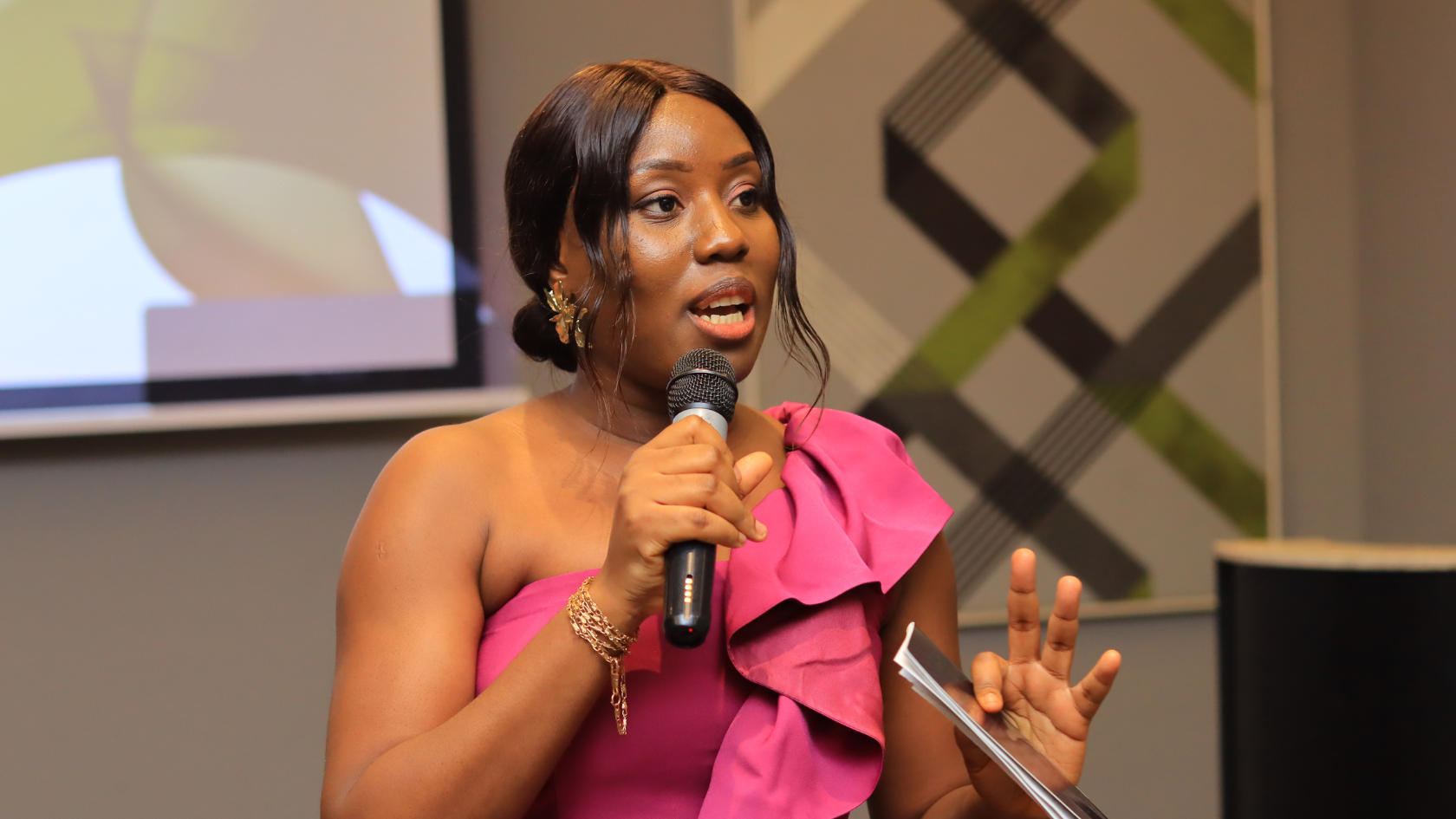
Preparing for Public Speaking Success: Essential Steps for Professionals Building Their Personal Brand
As an emcee, I’ve had the privilege of stepping onto many stages, from corporate conferences to vibrant community events. But it wasn’t always this way. I remember the days when the thought of speaking in front of a crowd made my palms sweat and my heart race. That fear was real, but over time, I transformed it into passion. Now, as a public speaking coach, I help others conquer their fears and find their voices. If you’re a professional looking to prepare for public speaking opportunities, you’re in the right place! Here are essential steps to get you ready. 1. Define Your Speaking Niche When I first dipped my toes into public speaking, I felt lost. Should I focus on leadership, presentation skills, or personal branding? It wasn’t until I zeroed in on my love for helping others that I found my sweet spot. Today, I’m passionate about empowering individuals – especially managers – to enhance their communication skills and grow their personal brands. Take a moment to reflect on your unique expertise. What are you passionate about? What topics ignite your enthusiasm? Knowing your niche will guide you as you develop your public speaking journey. 2. Craft Your Signature Message Every great speaker has a signature message that resonates with their audience. One of my signature talks, An Introvert’s Approach to Public Speaking, highlights how introverts can leverage their natural strengths in public speaking. I share personal stories about my journey from fear to confidence, encouraging others to embrace their authenticity. Think about what your core message is. What do you want your audience to take away from your talks? Use storytelling to make your message relatable and engaging. 3. Create a Compelling Speaker Bio Your speaker bio is your calling card, so make it shine! When I revamped mine, I included not only my credentials- like my background in learning and development- but also personal touches that reflect who I am. I want event organizers to see me as someone who is approachable, relatable, and passionate about empowering others. Don’t shy away from sharing your journey, challenges, and triumphs. Your story is what will draw people to you. 4. Build a Speaker Portfolio Your speaker portfolio is like a resume for speaking engagements. When I first created mine, I included clips from my various signature talks, testimonials from participants, and a list of topics I could cover. It helped showcase my style and build credibility. If you don’t have video clips yet, consider recording short sessions where you practice your delivery. Sharing these on platforms like my YouTube channel has been invaluable for connecting with potential audiences. 5. Develop Engaging Presentation Skills Public speaking is an art, and like any artist, you need to practice your craft. I spent countless hours refining my presentation skills and exploring various techniques to engage my audience (still do!). I learned that practice makes progress. Find opportunities to speak in front of small groups, whether it’s at a local networking event or during team meetings. Don’t forget to seek feedback from peers and mentors – honest critiques can be the key to your improvement. If you’re looking to level up your skills, consider booking a coaching session where we can focus on your specific needs. 6. Network and Collaborate Networking is essential for building your personal brand. I’ve met some incredible collaborators and mentors at local events and online communities. One of my favorite moments was when I teamed up with a fellow coach for a workshop on Team Leadership for Emerging Leaders. We shared the stage, our unique perspectives, and combined our networks, which significantly expanded our reach. Don’t hesitate to strike up conversations and seek partnerships – collaboration can lead to new opportunities. And if you’re organizing an event, I’d love to collaborate as your emcee to ensure it’s unforgettable. 7. Prepare for Different Speaking Formats As you start to land speaking engagements, you’ll discover that not all events are created equal. Keynotes, panels, webinars – they all require different approaches. Be adaptable. I remember preparing for a webinar on Camera Confident, where I had to pivot from a structured presentation to an interactive Q&A session. Embrace the unexpected; it often leads to some of the best audience connections. 8. Invest in Professional Development Never stop learning. I’ve invested time in workshops, online courses, and reading up on the latest trends in public speaking and branding. Each new piece of knowledge I gained made me a more effective speaker and coach. Whether it’s diving into books about leadership or attending conferences, make your professional development a priority. If you’re looking for resources or guidance in your learning journey, don’t hesitate to reach out – I’m here to help! 9. Create a Marketing Strategy Once you’re ready to step into the spotlight, it’s time to promote yourself actively. Share your journey, upcoming speaking engagements, and insights on social media. I use my LinkedIn and YouTube channel to share public speaking tips and document my emcee work. This not only attracts potential gigs but also fosters a community of individuals who share my passion. Consider starting a newsletter to keep your audience engaged with valuable content and updates about your speaking journey. Conclusion Building your personal brand and preparing for public speaking opportunities takes time and effort, but the rewards are immeasurable. Each speaking engagement is not just an opportunity to share your knowledge but also a chance to connect and inspire others. Remember, every great speaker started where you are now. Embrace the journey, and don’t hesitate to share your unique voice with the world. I’d love to hear from you! What are some of your experiences with public speaking or building your personal brand? Share your thoughts in the comments below, and don’t forget to subscribe for more tips on personal branding and public speaking. If you’re interested in booking me to emcee your next event, feel free to reach out. Let’s keep the conversation going!