
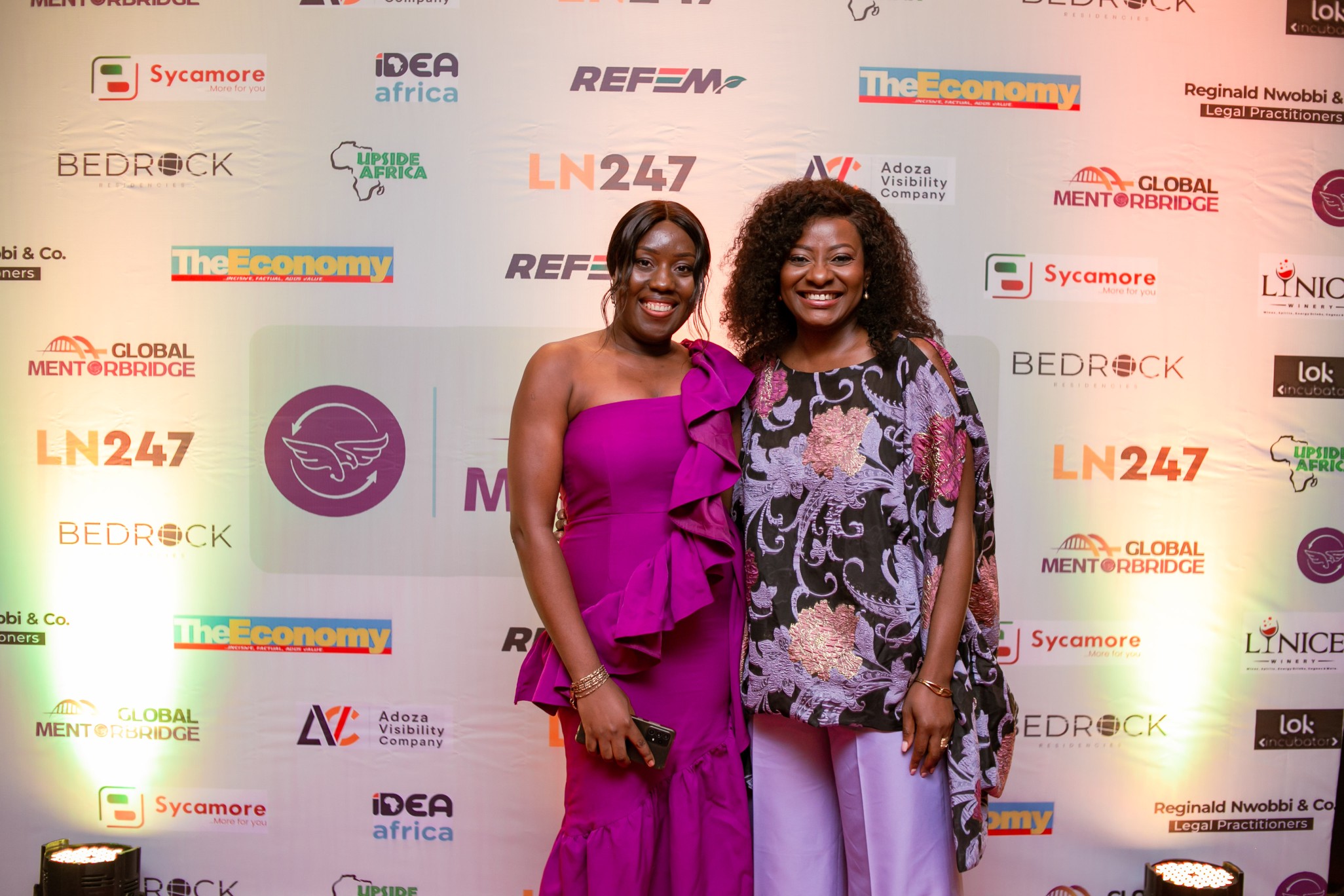
One of the biggest challenges new managers face in professional spaces is figuring out how to turn ideas into execution for real-world impact. As a corporate girl myself, my ears pricked up the moment my guests on the red carpet at the 2024 Global Mentorbridge (GMB) Gala began sharing deeply insightful nuggets on this very topic. I couldn’t wait to bring those conversations back to my readers. A Little Backstory In 2023, when I hosted the second edition of the Global Mentorbridge Gala, I met some truly remarkable individuals – innovators, executives, creatives and culture-shapers. It was an evening woven with powerful ideas, heartfelt storytelling about mentoring and reverse mentoring, vibrant celebration, and a buffet that could win awards of its own. So you can imagine my excitement when I was booked to host the red carpet at the 2024 edition. If you’ve ever attended the gala, you know the atmosphere is a blend of camaraderie, warmth and deep learning. The kind of environment that makes you pause, reflect and – whether consciously or not – recalibrate the way you work. This third edition did not disappoint. On the red carpet, I had the pleasure of speaking with leaders like Abimbola Adebakin, Tochukwu MacFoy, Dr. Clement Obadimu, the convener – Jane Oma, and many others. This edition’s theme, Beyond Ideas, inspired conversations that speak directly to the realities you and I navigate every day – turning concepts into reality, navigating failed projects – and the role of mentoring in unlocking growth. How to Turn Ideas into Execution – From the Red Carpet to the Corporate Stage Beyond the fun of welcoming guests and setting the tone for the evening, I was quietly storing the most thought-provoking nuggets from those conversations. These lessons hit home for every professional, creative or leader who is trying to move from concept to impact. 1. Execute Your Ideas with This: Borrow Experience, Not Just Inspiration One of the biggest insights on how to turn ideas into execution is understanding that you don’t build alone. When asked how he leverages mentoring to execute ideas successfully, Tochukwu MacFoy explained that he leans into his mentors’ journeys. “The wisdom and path to execution is in people’s journey,” he said. Think about your current project, your pitch deck, your creative idea, your strategic plan. You don’t have to guess your way through it. Someone has walked that path already. For MacFoy, that includes learning what not to do by reflecting on mentors’ past failures. He then said something many high-achievers struggle with: “Humility is the courage to rightly estimate yourself.” In any corporate or creative environment, this is gold. The sooner you admit what you don’t know, the sooner you can learn what gets you to the finish line. In other words, be honest about where your skills and knowledge currently stand. Then be humble enough to seek the guidance you need to turn your next idea into execution. 2. When an Idea Fails, Do This: Expand the Question, Not the Shame Let’s face it: sometimes we give our best to an idea we believe will change the world… and it still flops. When I asked Abimbola Adebakin how she moves forward from such moments, her approach to a failed idea is a mindset shift every professional can use: “I ask: ‘what else, who else, when else?’” What an empowering way to pivot from a “failure”. Think about it: According to her, these questions open the door to reflection. They help you decide whether to explore the idea differently, shelve it for a better time, or move on entirely. If you’re going to go Beyond Ideas in the workplace, failed projects can’t be dead ends. They must be detours, redirections or invitations to look again. 3. Beyond Mentoring: The Power of Reverse Mentoring This third lesson wasn’t spoken — it was seen. You see, mentoring is core to what Global Mentorbridge does: driving conversations, building mentorship frameworks for organisations, guiding individuals in business, career and executive presence, and celebrating people shaping the mentoring ecosystem. But beyond traditional mentoring, Global Mentorbridge champions reverse mentoring as well. That’s why at a typical GMB event, you’ll meet people of diverse ages, industries, cultures and backgrounds. The young are eager to learn from the experienced. The experienced are equally eager to learn from fresh perspectives. The tech professional seeks insight from the finance leader and vice versa. Here lies the lesson we often overlook in the workplace: You can be the most experienced person in the room… and still be the least informed about what’s emerging. You can be the youngest in the room… and still be the most insightful about what’s next. No matter where you are in life, there is someone you can learn from — and someone you can guide. There’s someone who can help you turn your ideas into execution — and someone who will benefit from the lessons you’ve learned executing yours. Ultimately, how to turn ideas into execution is less about having perfect ideas and more about asking better questions, learning continuously, and acting with clarity. The red carpet truly buzzed. Hosting it was an honour, and drawing out these insights from the guests was one of the highlights of my year. Now I’m passing the mic to you: How have you pivoted from a failed project in the past? Let me know in the comments below. Planning an Event Soon? Book me as your emcee. [Or Recommend me to your organisation here]. With me as your event host, your speakers will shine, your audience will stay engaged, and your event will run like a well-oiled engine. Book me and schedule a discovery call here. I offer professional hosting services for main events, red carpets and panel moderations. Events are business tools, but they don’t work if the room is flat. As a professional event host, I help brands communicate their message clearly and create the right energy in the room. From conferences, AGMs, gala and

Why Networking Alone Isn’t Enough: The Power of Strategic Networking
What do LinkedIn and professional events have in common? They are the entry point to strategic networking. They bring people together often in ways that feel promising, sometimes even exciting. You meet new people, exchange business ideas, and expand your network. For many professionals, especially those stepping into new levels of responsibility, this visibility feels like progress. However, over time, a more important question begins to surface: what is all this networking actually leading to? Why Networking Alone Isn’t Enough You see, it is possible to connect with the right people, have good conversations, and still see very little come from it. Not because the interactions are meaningless, but because they are not always developed beyond the moment they happen. In fact, I was reminded of this two years ago at the Customer Service Innovation Conference. I met Peace Obi there – but our connection did not start at the event. We had first connected through Bright Okere’s masterclass. At the time, it was a simple interaction, the kind that happens often on LinkedIn or in learning spaces. And it could easily have remained there. But when I was invited to moderate a panel at the conference and realized it aligned with her field, I shared the registration link with her. She attended. Like you might have guessed, the interaction was different when we finally met in person. This is because there was already context, relevance, and a sense of continuity. We had moved from a simple connection to becoming something more intentional. That moment was a reminder that networking, on its own, is only the starting point. The real value comes from how you build on the connection. If networking is the starting point, then the question becomes: what does success actually look like? The Power of Strategic Networking For most professionals, the goal is not simply to have more conversations or accumulate more connections. It is to see those connections translate into something meaningful like collaborations, mentorship, partnerships, or even career progression. However, these outcomes rarely come from one-off interactions. They are the result of relationships that are developed with intention over time. This is where the distinction between networking and strategic networking becomes important. You can think of it this way: networking creates access. It introduces you to people, ideas, and spaces you might not have encountered otherwise. But access alone does not guarantee results. Results come from how intentionally you build and nurture the relationship after the initial connection. This is strategic networking. This is what turns a LinkedIn interaction into a professional relationship.It is what turns a brief conversation at an event into an ongoing exchange.And it is what creates the conditions for real opportunities to emerge. The Key is Intentionality, Not More Networking In practice, this does not require doing more. It requires being more deliberate in how you engage. Rather than approaching networking as a series of disconnected moments, the focus shifts to building strategic relationships – connections that are relevant, mutually beneficial, and developed with clarity of purpose. To become better at strategic networking, it helps to have a simple way to think about your actions after the initial connection is made. One approach I have found useful is what I call the 3 moves of strategic networking. These three moves are simple, but when applied consistently, they change the quality of your networking results – both online and offline. They shift your focus from “who did I meet?” to “what did I build?” The 3 Moves of Strategic Networking 1. Notice Opportunities Most networking interactions end at the surface level. In a bid to increase our number of connections or people we slip our business cards to, we often miss the opportunities inherent in these interactions. To increase your networking ROI, you have to pay closer attention to: This applies whether you are engaging on LinkedIn or meeting someone at an event. On LinkedIn, this might look like going beyond a post to notice patterns in what someone consistently talks about, what they are building, or what they might need. At events, it could be picking up on what someone shares in conversation like their interests, challenges, or goals. This is what allows you to move from a generic interaction to a relevant one. Without this step, networking remains broad and often forgettable. But with it, you begin to see clear entry points for building something more meaningful with the people you meet. 2. Act with Value Noticing alone is not enough. The next step is to do something with what you have observed. In my case, it was simple: I saw that the conference aligned with Peace’s field, and I shared the opportunity with her. That single action of sharing the link to the conference webpage shifted the relationship. It moved us from a passive connection to an active, relevant interaction. As you can see, acting with value does not have to be complex. It can look like: Keep in mind, what matters is not the size of the action, but the intention behind it. When people begin to associate you with relevance and usefulness, the dynamic changes. You are no longer just someone they met; you become someone worth staying connected to. 3. Strengthen the Relationship Having mutually recognised that you’re both worth staying connected to, it’s time to strengthen the relationship. To improve your networking results, the relationship has to be developed beyond the initial connection or value exchange. I’m talking about consistently acting with value here. Not in a forced or transactional way, but through continued, relevant engagement over time. Strengthening the relationship can take different forms: following up after an event or interaction, checking in when something relevant comes up, continuing conversations over time or creating opportunities to engage again, either online or offline. This is what turns an ordinary networking into something more sustainable. Over time, these repeated, intentional interactions create familiarity, trust, and openness to future opportunities. Building Professional Relationships That Actually Work

What Professional Networking Looks Like in Real Life | LinkedIn Local Lagos Event Host
A lot of what people call “professional networking” is often spoken about in theory. But as a professional event host in Lagos, my experience with it has been more practical than that. Some of the most meaningful opportunities I’ve had didn’t start in formal settings – they started online. One of those was with Seun Odegbami. We first came across each other on Instagram. At the time, he was sharing content around LinkedIn and how to use it more intentionally. That led to a collaboration between us, and from there, we connected more intentionally on LinkedIn. Over time, that relationship grew, and eventually it led to me hosting the LinkedIn Local Bootcon in Lagos. This was my first experience hosting a LinkedIn Local networking event in Lagos. Day of the Event I arrived early, so the venue was still quiet. As a professional event host, I usually arrive early to understand the energy of the space before guests arrive. Only a few members of the team were around at the time, setting things up before guests started coming in. It was hosted at Café One in Lagos. This gave it a different feel from a typical conference hall – softer, less formal, and more open. As people began to trickle in, the room slowly started to take shape. Even though this was my first LinkedIn Local event, it quickly became clear what people meant when they described it. Some people were meeting for the first time. Meanwhile, others recognised faces they had interacted with on LinkedIn and continued those conversations in person. In some cases, people met, connected on the spot, and added each other afterwards. However, it wasn’t instantly seamless for everyone. Some guests eased into it quickly, while others needed a bit more time to find their rhythm in the space. That was where I came in as host, not just to guide the programme, but to shape the guests’ experience. Professional Networking at a LinkedIn Local Event The theme for the event, Getting Interconnected, and my discovery call with Seun, gave me a simple direction to work with – help people move from being in the same space to actually engaging with one another. In practice, it meant being very intentional about how I held the room and the opportunities I created for interaction. This included the following approaches. Tech for Engagement At the beginning of the event, I used a simple tech-driven prompt to open things up and ease people into participation. It helped set the tone early and got guests engaging in a very natural way. It also served as an entry point for people who were still settling in. Instead of jumping straight into conversations, it gave everyone something light to respond to first. That helped break that initial stiffness and made it easier for everyone to interact. Spontaneous Panel Moderation Not everything about the day followed a fixed structure. At a point where a planned panel moment didn’t unfold as expected, I had to adjust quickly and keep the conversation going. I shifted the energy by bringing audience members into the discussion and guiding them with questions that helped draw out their experiences in a clear way. A key part of this was knowing how to frame the right questions and follow up just enough to reach deeper insight. That kept the conversation active even without a formal panel setup, and those who were initially just listening became part of it in real time. Audience Interaction What is a professional networking event without audience interaction? The energy of the room had to stay active all day, and that meant constantly creating openings for people to engage with each other. At different points, I pulled the room into simple exchanges that got people turning to each other and responding in real time. And in between, I leaned into humour and timing, engineering laughter in a way that kept the atmosphere light and made it easier for people to open up. Award Ceremony The event ended with special recognition of professionals who were consistently adding value to their online LinkedIn communities. As I hosted that segment, I kept the tone warm and steady, giving each recognition the attention it deserved. It was a fitting close to a day that was really about one thing – connection, in all its different forms. Professional networking isn’t just about meeting people – it’s about what happens when those connections are placed in the right environment and allowed to grow in real time. That is exactly what played out at LinkedIn Local Bootcon in Lagos. Connections that started online came into the same physical space, some meeting for the first time, others continuing conversations they had only ever had on LinkedIn. My role as host was to shape the flow of the day in a way that made those interactions easier, more natural, and more connected. Every event is different, and I enjoy working with organisers and teams to design a flow that reflects each event’s uniqueness, like I did for LinkedIn Local Bootcon in Lagos. Organising an event soon? I’d love to help bring your vision to life on stage. Send me a quick email to info {at} buifenomeh {dot} com or reach out here – let’s collaborate. I offer professional emcee services in Lagos for: Events are business tools, but they don’t work if the room is flat. As a professional event host, I help brands communicate their message clearly and create the right energy in the room. From conferences, AGMs, gala and award ceremonies, to red carpet events, I make sure the message comes through and the audience stays engaged. If you are planning something, contact me today, let’s talk.
A Female MC’s Experience Hosting a Lagos Gala Event
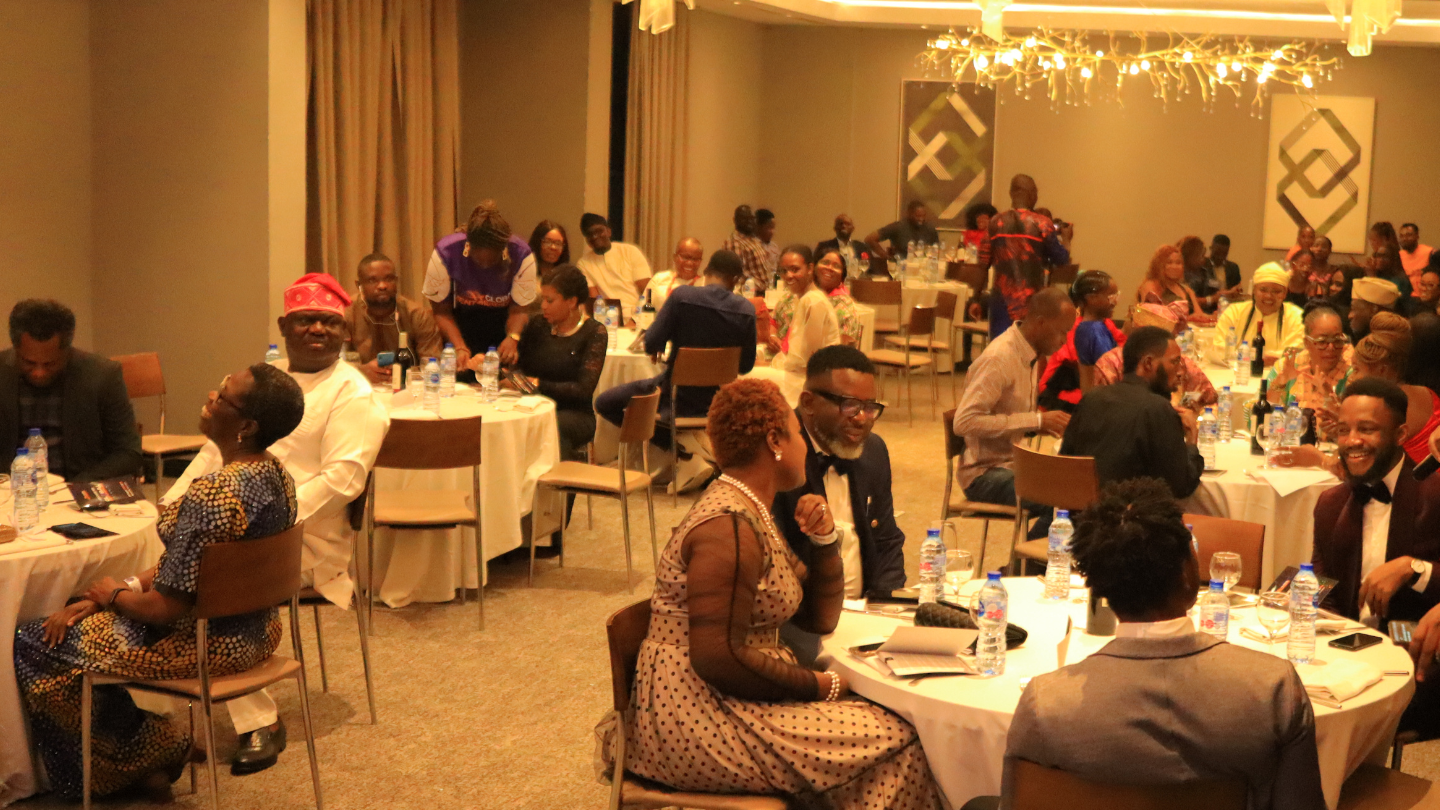
As a female MC in Lagos, one of the things I’ve learned from hosting countless events is this: no two events are ever truly the same. Even when two events share the same theme or audience type, there’s always that one thing — that spark — that makes each unique. I look forward to discovering what that special something will be every single time. For me, this discovery usually begins at the discovery call — my first meeting with the event organizer or planning team. At this stage, I listen closely to your vision. I focus on the “why” behind your event. I also consider the experience you hope your guests will walk away with. 👉 [Click here to book me for your event] Hosting the Global Mentorbridge Gala 2023 This was exactly the case when I was invited to serve as the female MC for the 2023 Global Mentorbridge (GMB) Gala. From my very first conversation with the convener, Jane Oma, I could tell this wasn’t a run-of-the-mill event. The vision was inspiring, the audience was diverse, and the program lineup was thoughtfully curated. Right from the start, everything about it felt intentional. I knew my role as emcee would be to amplify that energy. Once I was confirmed, I went to the drawing board to craft how to make the evening flow effortlessly. I also planned how to keep the audience engaged, connected, and inspired, echoing my client’s vision. Stepping Into the Gala Preparation is one thing — but stepping into the actual event is another story entirely. As expected, the moment I walked into the venue at Radisson Blu Ikeja, I felt the anticipation immediately. I knew this was more than just another event. It was a gathering of minds and hearts across generations. Here’s What Stood Out to Me as a Female MC in Lagos 1. First, The Vision Behind the Event Global Mentorbridge’s mission is to facilitate the transfer of knowledge across generations, industries, and geographies. The Gala is one of the key platforms that bring this vision to life. It brings people together across age groups and backgrounds to mentor, reverse-mentor, and network. As the host, my goal was to guide conversations and keep the energy flowing so that everyone — regardless of background — felt included and connected. 2. Next, A Truly Diverse Audience The GMB Gala brought together an extraordinary mix of attendees — from their 20s to their 60s, spanning multiple career levels, industries, and ethnicities. Despite these differences, one thing united everyone in that room: their passion for mentoring. That shared purpose became the heartbeat of the evening, and as emcee, I had the joy of amplifying it through my delivery, tone, and transitions. 3. Finally, Mentoring, Reverse-Mentoring & Networking These three pillars are the GMB trifecta for sustainability and knowledge transfer. Together, they created a powerful and engaging atmosphere. Throughout the evening, it was phenomenal to watch attendees — Baby Boomers, Millennials, and Gen Zers — exchange insights, challenge perspectives, and celebrate one another. From the red carpet interviews to the main stage conversations, the energy was nothing short of electric — exactly the kind of atmosphere an experienced emcee thrives in. Final MC Thoughts By the end of the night, I felt a deep sense of fulfillment. Every interaction, every shared insight, and every connection underscored the importance of my role as the event host. Overall, hosting the Global Mentorbridge Gala 2023 was a truly remarkable experience. So, if you’re planning an event and need a female MC in Lagos who brings warmth, intelligence, and flair to the stage, I’d love to work with you. 👉 [Click here to book me now] I offer professional emcee services in Lagos for: Events are business tools, but they don’t work if the room is flat. As a professional event host, I help brands communicate their message clearly and create the right energy in the room. From conferences, AGMs, gala and award ceremonies, to red carpet events, I make sure the message comes through and the audience stays engaged. If you are planning something, contact me today, let’s talk.
Hosting SocialGood Summit Lagos 2023: 5 Key Takeaways
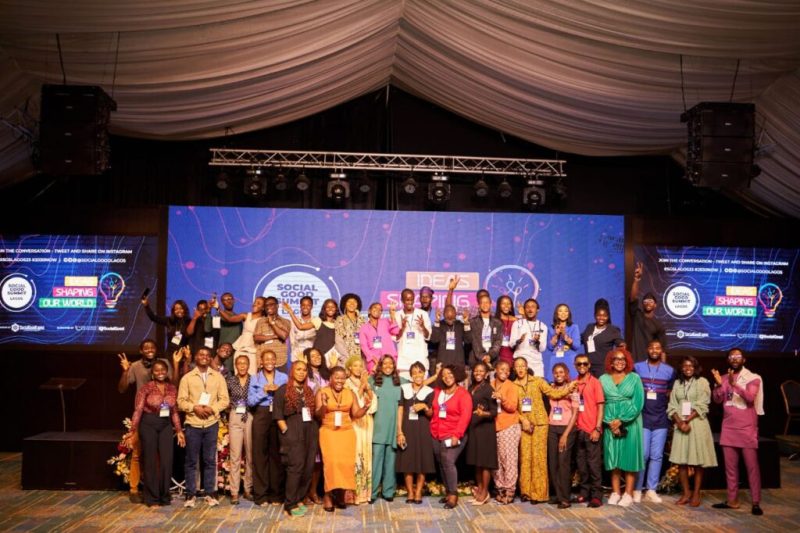
On September 16, 2023, SocialGood Lagos, one of the local hubs of the United Nations Foundation plus Social Good program, held it’s 2023 edition of the SocialGood Summit Lagos. The theme of this year’s edition was Ideas Shaping the World. In line with this theme, SocialGood Summit Lagos 2023 focused on how we can leverage technology, new media and more young people participation to accomplish the 17 Sustainable Development Goals (SDGs). With the 2030 deadline underway, the SocialGood Lagos team curated sessions and speakers to hone in on the theme. The speakers shared incredible ideas on how to go beyond awareness to actions that drive the achievement of these goals. From a keynote by Mr. Niyi Yusuf, to interactive plenary sessions on the topics: Moving from Ideas to Change and More Young People, More SDGs Action. We also had innovative speeches from the likes of Chioma Ukpabi and Fabia Ogunmekan. Lessons from Behind the Mic at SocialGood Summit Lagos 2023 I had the privilege of anchoring the summit as the official emcee, and the experience was one for the books. From guiding the conversations and engaging the stakeholders at the summit to keeping the excitement amidst a rainy day. Beyond creating an amazing experience for the attendees, I also penned down some wisdom from the speakers. In this post, I’ll be sharing 5 of those lessons. This is to help anyone interested in contributing to Nigeria’s efforts towards the achievement of the 17 SDGs before 2030. 1. You Have a Role to Play. Usually when we think about national development, everyone’s expectation is that it is the government’s sole responsibility to change the standard of living in the country. However, that isn’t entirely true. Granted, the government has a role it must play. However, you and I must also make our inputs if Nigeria is to cover enough miles in the accomplishment of the SDGs before the 2030 deadline. 2. Educate Yourself. Did you know that the 17 SDGs are further broken down into 169 targets? Did you know that Nigeria is only in time to accomplish only one out of these 169 targets: registration at birth? That is both shocking and sad. But it also buttresses the fact that each of us needs to join this movement. How can you contribute? Start by educating yourself on the 169 targets of the sustainable development goals. This will help you to discover the area(s) you would like to contribute with your skills and experiences. Educate yourself also on the best approaches for participating in this very important and challenging work. If you’re new to this terrain, and are looking to join a team that’s already working in this regard, Social Good Lagos is currently open to volunteers. Consider joining the team to learn more about the role you can play, and begin taking action. 3. Find Partners. It goes without saying that this work is not a one-man business. Hands must be locked if we’re going to make significant strides before 2030. In fact, the 17th SDG is Partnership for the Goals. Go figure. SocialGood Lagos is keen on partnerships too. So it wasn’t surprising that one of the panel discussions covered partnerships. If you’ve already got your foot in the game, and are looking to find the right partners, the panelists advise that you need to first define your goals. What are you trying to accomplish? What are the challenges you would likely encounter? Who would make an ideal partner? Who has the skills, resources or will to solve the same problems you are working on? Which organisation can you collaborate with? I particularly loved what Sheila Ojei said about partnerships: it doesn’t always have to be money. For instance, instead of asking an organisation to provide monetary sponsorship for your project(s), consider partnering with an organisation that already has what you would spend the money on. 4. Social Entrepreneurship is a Thing. Usually, when we think of the 17 SDGs, opening an NGO that creates awareness or provides education in an area comes to many people’s minds. But can there be for-profit organisations whose business is creating solutions to one or more of the problems identified in the #Agenda2030? The answer is yes. Muazu Africa by Tolulope Makinwa and ECO by Samuel Owolafe-Austin are good examples. Can your startup/business manufacture a health product that can directly contribute to the eradication of some of the diseases covered in the SDGs? Then make it available at a subsidized rate? #somethingtothinkabout 5. Philanthropy is a Vital Vehicle. Fabia Ogunmekan’s speech was one for the money. Let me reiterate it this way: imagine you and 9 of your friends come together and decide to contribute N50,000 monthly to be donated to a cause working towards any of the goals/targets? That’s N6,000,000 per annum. Or you could decide to purchase a key medical instrument for a local hospital to provide better diagnosis and/or care to patients. The list goes on. It doesn’t have to be N50,000, but I’m sure you get the gist. So, if you already have too much going on that directly working on any of the goals/targets isn’t feasible for you, send your money to go where you can’t. Every kobo helps. Those were my top lessons from this year’s SocialGood Summit Lagos. In general, the event was a productive one. And I had a blast creating a wonderful experience for everyone (including the virtual attendees) as the event host. How are you contributing to the SDGs? Which of these lessons resonates with you? Want to experience the SGS Lagos 2023 yourself? Here’s a replay of the livestream. Events are business tools, but they don’t work if the room is flat. As a professional event host, I help brands communicate their message clearly and create the right energy in the room. From conferences, AGMs, gala and award ceremonies, to red carpet events, I make sure the message comes through and the audience stays engaged. If you are planning something, contact me today, let’s talk.
5 Ways Attending Industry Events Benefits Mid-Level Managers
Have you ever wondered what opportunities you might be missing by skipping industry events? If you’re a mid-level manager focused on career growth, building connections, and staying on top of industry trends, these events can be a game changer. Recently, I attended the Customer Service Innovation Conference and had the privilege of moderating a fireside chat. With hundreds of customer service pros in attendance, plus thought-provoking panels, a keynote, and a masterclass on the latest industry shifts, it was a reminder of just how impactful these gatherings can be. Here’s why events like these are a must-attend for any ambitious professional. 1. Build a Powerful Professional Network One of the most valuable aspects of industry events is the networking potential. The #CSIC2024 brought together professionals from across the field, creating the perfect setting to meet others who share similar goals. I had conversations with inspiring industry leaders, engaged in impromptu discussions, and walked away with new connections that sparked fresh ideas. Imagine the impact of building a network of contacts who could become mentors, collaborators, or even teammates. These events provide a setting for genuine, face-to-face connection that virtual networking simply can’t replicate. 2. Gain New Skills and Strategies to Take Back to Your Team Attending industry events is like giving your professional development a boost on all fronts. The Customer Service Innovation Conference offered sessions packed with insights on customer service strategies, technology, and leadership techniques – tools and techniques that you can put into action right away. Think of events as a blend of intensive learning and practical application. Each panel or workshop has the potential to equip you with ideas and strategies to elevate your role and make an immediate impact on your team. 3. Stay Ahead of Industry Trends and Best Practices Keeping up with industry trends can be challenging, especially when you’re juggling day-to-day responsibilities. Attending industry events lets you catch up quickly and gain firsthand insights into what’s coming next in your field. At this conference, for instance, experts shared the latest on customer service innovations, emerging technologies, and best practices to improve customer satisfaction. This isn’t just about staying relevant; it’s about positioning yourself and your team to lead the way, with information that can guide your organization’s strategy. 4. Build Confidence as a Communicator At every event, there’s an opportunity to build your confidence as a communicator. While I was moderating the fireside chat, I could see just how much value there is in guiding meaningful conversations, asking thoughtful questions, and engaging an audience. For mid-level managers, public speaking and strong communication skills are critical. Events allow you to observe, engage, and hone these skills in a professional environment—whether you’re presenting, asking questions, or just chatting with other attendees. 5. Discover Top Talent for Your Team Finally, industry events can be a fantastic way to find talent. With hundreds of engaged, knowledgeable professionals in one place, you have access to a rich talent pool if you’re considering team growth. Events like the Customer Service Innovation Conference allow you to observe others’ skills firsthand, making it easier to identify those who could be a good fit for your team or organization. Plus, these events often include recruitment professionals and companies looking to connect with top talent, making it easy to establish connections that can lead to a strong hiring pipeline. Conclusion Attending industry events isn’t just a nice break from the office – it’s an investment in your growth as a manager. From expanding your network and learning cutting-edge practices to discovering new talent and boosting your confidence, the benefits are substantial. So, make attending industry conferences a priority – you’ll thank yourself for the investment in your growth. And remember, if you have questions about attending events or are organizing one at your company and want to discuss how I can help as the emcee, feel free to reach out. Let’s work together to make your next event unforgettable!
Preparing for Public Speaking Success: Essential Steps for Professionals Building Their Personal Brand
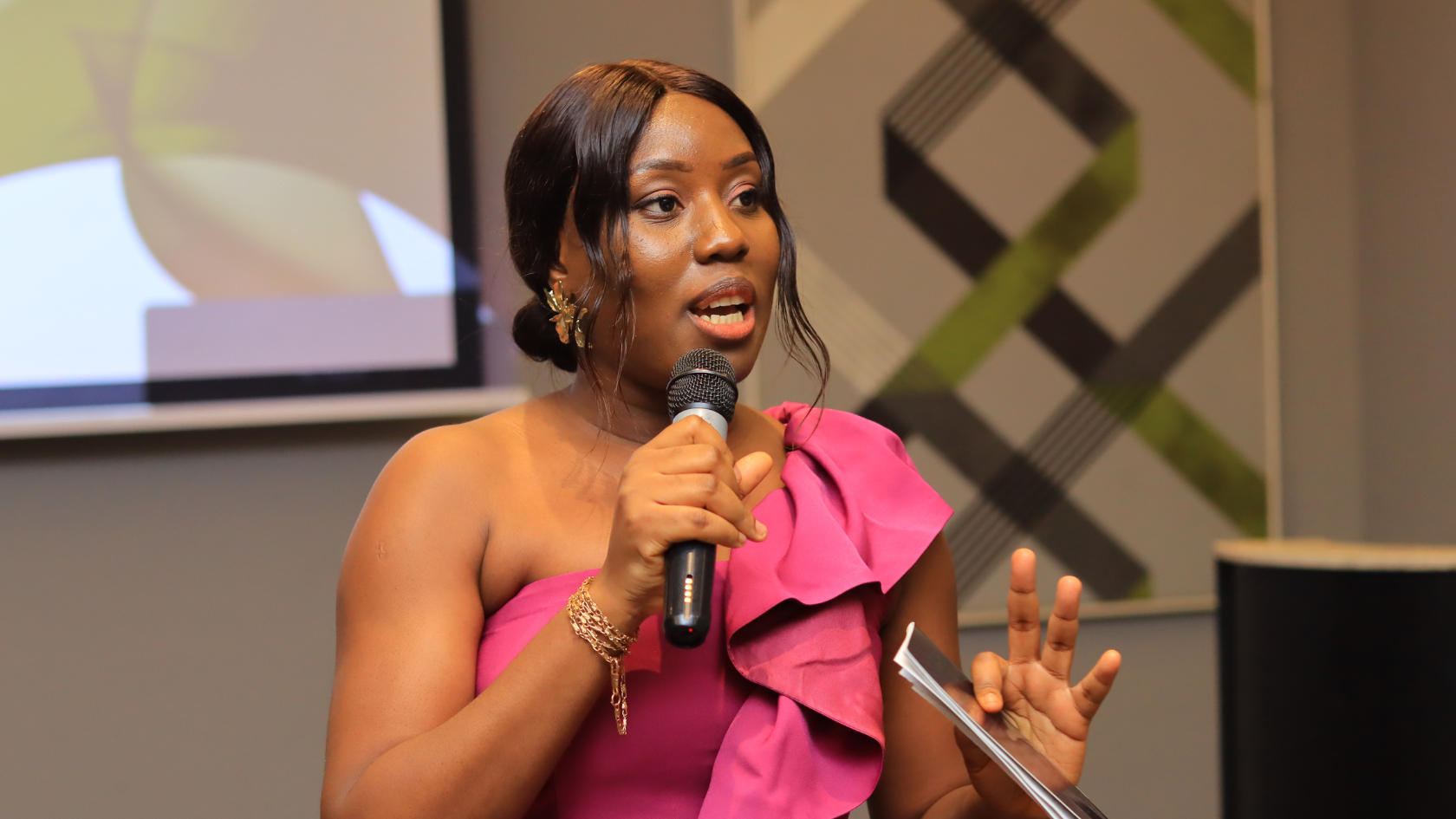
As an emcee, I’ve had the privilege of stepping onto many stages, from corporate conferences to vibrant community events. But it wasn’t always this way. I remember the days when the thought of speaking in front of a crowd made my palms sweat and my heart race. That fear was real, but over time, I transformed it into passion. Now, as a public speaking coach, I help others conquer their fears and find their voices. If you’re a professional looking to prepare for public speaking opportunities, you’re in the right place! Here are essential steps to get you ready. 1. Define Your Speaking Niche When I first dipped my toes into public speaking, I felt lost. Should I focus on leadership, presentation skills, or personal branding? It wasn’t until I zeroed in on my love for helping others that I found my sweet spot. Today, I’m passionate about empowering individuals – especially managers – to enhance their communication skills and grow their personal brands. Take a moment to reflect on your unique expertise. What are you passionate about? What topics ignite your enthusiasm? Knowing your niche will guide you as you develop your public speaking journey. 2. Craft Your Signature Message Every great speaker has a signature message that resonates with their audience. One of my signature talks, An Introvert’s Approach to Public Speaking, highlights how introverts can leverage their natural strengths in public speaking. I share personal stories about my journey from fear to confidence, encouraging others to embrace their authenticity. Think about what your core message is. What do you want your audience to take away from your talks? Use storytelling to make your message relatable and engaging. 3. Create a Compelling Speaker Bio Your speaker bio is your calling card, so make it shine! When I revamped mine, I included not only my credentials- like my background in learning and development- but also personal touches that reflect who I am. I want event organizers to see me as someone who is approachable, relatable, and passionate about empowering others. Don’t shy away from sharing your journey, challenges, and triumphs. Your story is what will draw people to you. 4. Build a Speaker Portfolio Your speaker portfolio is like a resume for speaking engagements. When I first created mine, I included clips from my various signature talks, testimonials from participants, and a list of topics I could cover. It helped showcase my style and build credibility. If you don’t have video clips yet, consider recording short sessions where you practice your delivery. Sharing these on platforms like my YouTube channel has been invaluable for connecting with potential audiences. 5. Develop Engaging Presentation Skills Public speaking is an art, and like any artist, you need to practice your craft. I spent countless hours refining my presentation skills and exploring various techniques to engage my audience (still do!). I learned that practice makes progress. Find opportunities to speak in front of small groups, whether it’s at a local networking event or during team meetings. Don’t forget to seek feedback from peers and mentors – honest critiques can be the key to your improvement. If you’re looking to level up your skills, consider booking a coaching session where we can focus on your specific needs. 6. Network and Collaborate Networking is essential for building your personal brand. I’ve met some incredible collaborators and mentors at local events and online communities. One of my favorite moments was when I teamed up with a fellow coach for a workshop on Team Leadership for Emerging Leaders. We shared the stage, our unique perspectives, and combined our networks, which significantly expanded our reach. Don’t hesitate to strike up conversations and seek partnerships – collaboration can lead to new opportunities. And if you’re organizing an event, I’d love to collaborate as your emcee to ensure it’s unforgettable. 7. Prepare for Different Speaking Formats As you start to land speaking engagements, you’ll discover that not all events are created equal. Keynotes, panels, webinars – they all require different approaches. Be adaptable. I remember preparing for a webinar on Camera Confident, where I had to pivot from a structured presentation to an interactive Q&A session. Embrace the unexpected; it often leads to some of the best audience connections. 8. Invest in Professional Development Never stop learning. I’ve invested time in workshops, online courses, and reading up on the latest trends in public speaking and branding. Each new piece of knowledge I gained made me a more effective speaker and coach. Whether it’s diving into books about leadership or attending conferences, make your professional development a priority. If you’re looking for resources or guidance in your learning journey, don’t hesitate to reach out – I’m here to help! 9. Create a Marketing Strategy Once you’re ready to step into the spotlight, it’s time to promote yourself actively. Share your journey, upcoming speaking engagements, and insights on social media. I use my LinkedIn and YouTube channel to share public speaking tips and document my emcee work. This not only attracts potential gigs but also fosters a community of individuals who share my passion. Consider starting a newsletter to keep your audience engaged with valuable content and updates about your speaking journey. Conclusion Building your personal brand and preparing for public speaking opportunities takes time and effort, but the rewards are immeasurable. Each speaking engagement is not just an opportunity to share your knowledge but also a chance to connect and inspire others. Remember, every great speaker started where you are now. Embrace the journey, and don’t hesitate to share your unique voice with the world. I’d love to hear from you! What are some of your experiences with public speaking or building your personal brand? Share your thoughts in the comments below, and don’t forget to subscribe for more tips on personal branding and public speaking. If you’re interested in booking me to emcee your next event, feel free to reach out. Let’s keep the conversation going!
How Breakout Rooms Make In-Person Events Better (and Way More Fun)
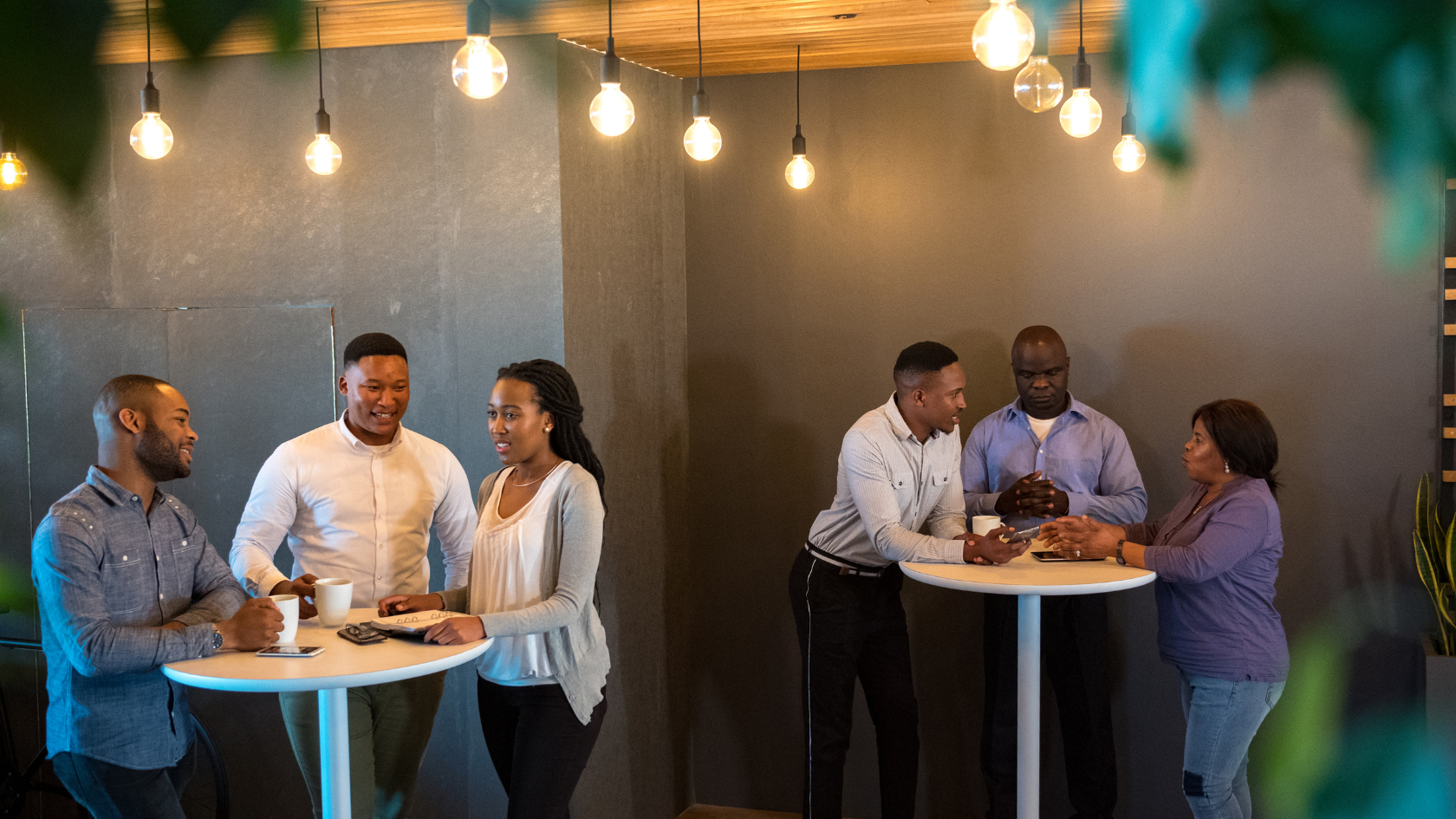
This is a complete guide to using breakout rooms at in-person events. So if you want to create more engaging, meaningful, and interactive experiences for attendees, you’ll love the practical insights and strategies in this post. Let’s dive right in. How Breakout Rooms Make In-Person Events Better (and Way More Fun) If you’ve ever been to a big in-person event, you know how it feels to sit in a huge room filled with people. You’re one of many, listening to a speaker, maybe taking some notes, but let’s face it—unless you’re really tuned in, it’s easy to zone out a bit. Now, compare that to sitting in a cozy circle with a handful of people, having an actual conversation, sharing ideas, and maybe even laughing together. That’s the power of breakout rooms. They take the big, sometimes impersonal event experience and turn it into something meaningful, interactive, and, honestly, a lot more fun. As a professional emcee and learning and development facilitator, I get to see firsthand how valuable these breakout sessions are, both for attendees and for the event as a whole. Recently, I ran a poll on LinkedIn, asking people what their favorite way to engage at events was. The majority picked breakout rooms, hands down, over other options like live Q&As, polls, or social media shoutouts. So, what makes these little sessions such a hit? Let me take you through it. Why Breakout Rooms Matter: It’s All About Connection Imagine this: you’re at a conference about digital marketing. There’s a speaker up front talking about the latest trends in social media algorithms. It’s fascinating, but as soon as the session ends, you’re left with this itch to discuss what you just heard. Now, let’s say the organizers have set up breakout rooms. One of them is on “Personalizing Marketing for Different Generations.” You join, and suddenly you’re in a group with 10 other people who are all facing the same challenges, brainstorming solutions in real-time, and exchanging tips. Now you’re getting specific, actionable insights—and making connections that last way beyond the conference. This is why breakout rooms work. They turn passive listeners into active participants, giving everyone a chance to really engage and dive into topics that matter to them. In smaller groups, people feel comfortable speaking up, asking questions, and sharing ideas that might have stayed hidden in a big crowd. The Key to Great Breakout Rooms: Make It Personal The beauty of breakout rooms is that they’re personal, but creating that vibe takes a little planning. Let me share a story with you from an event I attended. It was a tech conference, and the organizers had set up themed breakout rooms like “Future of AI in Healthcare” and “Cybersecurity Trends.” I joined the AI session, where the moderator kicked things off with an icebreaker: “What’s the one thing in healthcare you’d love to see AI solve?” Suddenly, people were opening up. Someone talked about using AI to streamline medical records, another shared a story about a family member who benefited from telemedicine. Before we knew it, everyone was sharing personal insights, and it felt like we were genuinely collaborating. Because the group was small, each person’s perspective added real value to the conversation, and I walked away with ideas and connections that I wouldn’t have found in a large session. Setting Up Breakout Rooms That Really Work If you’re organizing an event and want to include breakout rooms, a few little touches can make all the difference. Here’s what I’ve seen work best—both as an emcee guiding the experience and a learning professional designing impactful sessions. 1. Keep Groups Small and Friendly The magic number seems to be around 8-15 people. Smaller groups feel like conversations rather than presentations. People feel more comfortable, and no one has to fight for a chance to speak. If you have a large event, you can rotate groups or even set up different sessions to give everyone a chance to join the discussion they care about. 2. Create Themes People Care About Choosing the right topics is half the battle. Think about what the attendees would love to dig deeper into. Let’s say you’re organizing a career development workshop. Your breakout rooms could focus on themes like “Mastering Remote Work,” “Building a Personal Brand,” or “Leading with Empathy.” These are topics people want to discuss and learn about from each other. 3. Get a Good Moderator A skilled moderator can steer the conversation and make sure everyone feels heard. At a learning breakout session I once moderated, I kept the discussion dynamic and inclusive with prompts like, “John, what are your thoughts?” or “Has anyone tried a different approach?” This kind of gentle guidance encourages participation and keeps things moving. 4. Use Interactive Elements to Keep It Fun If you’ve been in breakout rooms that fell flat, you know how awkward it can be. To avoid this, make things interactive. I was in one room where we did a lightning poll on potential industry trends, then split into pairs to discuss our thoughts. This quick change in pace helped us get to know each other better and opened up the conversation for different viewpoints. Additional Tips to Make Breakout Rooms Effective and Memorable 5. Tech Setup Tips for In-Person Breakout Rooms Even in in-person events, a little tech support can go a long way. For larger breakout rooms, consider having small mics available or a mini sound system so people can hear each other comfortably. If your breakout is hybrid, set up a screen or tablet so virtual attendees can join, and designate a virtual moderator to help keep them engaged. This way, tech works to support—not detract from—the flow. 6. Icebreakers and Engagement Techniques Start with a creative icebreaker to get everyone comfortable. For example, in a marketing session, you could ask attendees to share a memorable ad they recently saw or to introduce themselves with their “personal tagline.” In my experience, these prompts quickly loosen